
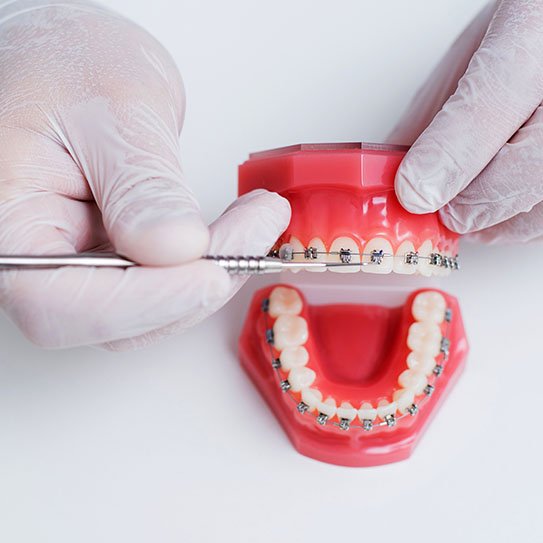
Your Guide to Navigating Life with Braces
Embarking on a journey with braces can bring about a mixture of emotions, from excitement about the prospect of a beautiful smile to uncertainty about the changes it will entail. At Hadavand Orthodontics, we understand that having all the right information can make this transition smoother and more comfortable for our patients. Here, we aim to answer some of the most common questions about life with braces, providing insights that reflect our deep commitment to excellence in orthodontics.
1. How often will I need to visit the orthodontist during my treatment?
Regular check-ups with your orthodontist are an essential part of the treatment process when you have braces. Typically, you will need to visit Hadavand Orthodontics every 4-6 weeks. These visits allow us to monitor your progress and make any necessary adjustments to your braces to ensure your teeth are moving correctly and on schedule. These regular interactions also give you the opportunity to ask questions and express any concerns you might have about your treatment.
2. Will braces cause discomfort?
It's normal to experience some discomfort after your braces are first applied or adjusted. This discomfort is typically mild and temporary, lasting only a few days. Over-the-counter pain relievers can help manage this discomfort. Remember, this mild pain means your braces are working as they should, gradually moving your teeth to their correct positions. If the pain persists or becomes severe, it's important to contact your orthodontist.
3. Are there food restrictions with braces?
Yes, when you have braces, you'll need to avoid certain foods that can damage the brackets and wires. Hard, crunchy, or sticky foods can break or dislodge your orthodontic appliances. Foods to avoid include nuts, popcorn, hard candies, gum, and chewy candy. But don't worry — there are plenty of braces-friendly foods you can enjoy, such as dairy products, grains, soft fruits, and tender meats. Adapting your diet is a small concession for the lasting benefits of a beautiful, aligned smile.
4. How should I clean my teeth with braces?
Maintaining good oral hygiene is incredibly important when you have braces, as food particles and plaque can easily become trapped in the brackets and wires. Brush your teeth at least twice a day using a soft-bristled toothbrush and fluoride toothpaste. It’s ideal to brush after every meal if possible. Additionally, using an interdental brush can help clean areas around your braces that are difficult to reach. Flossing daily is also crucial; a floss threader can help navigate the floss through the wires of your braces. Regular cleanings and check-ups with your dental provider are also essential to ensure optimal oral health throughout your orthodontic treatment.
5. Can I still play sports or musical instruments with braces?
Yes, you can still enjoy sports and play musical instruments with braces, but some adjustments may be necessary. For sports, it's important to wear a mouthguard to protect your braces and your mouth from potential impacts. There are special orthodontic mouthguards designed to fit over braces and provide the necessary protection. As for musical instruments, particularly those that require mouth contact like wind instruments, it may take some time to adjust. However, with practice and possibly some adjustments to your technique, you should be able to continue playing comfortably.
6. How long will I need to wear braces?
The duration of orthodontic treatment varies depending on the individual case and the specific orthodontic issues being addressed. On average, most people wear braces for about 1 to 3 years. Following the active phase of wearing braces, you will likely need to use a retainer to maintain your new tooth alignment. Your orthodontist will provide a personalized treatment plan based on a detailed assessment of your teeth and jaw alignment.
7. What happens if something breaks?
If a bracket breaks or a wire comes loose, it's important to contact your orthodontist immediately. Avoid adjusting the braces yourself, as this could cause further issues. At Hadavand Orthodontics, we understand that accidents happen and are here to address any issues quickly to keep your treatment on track.
Embrace the Journey
Living with braces is a significant commitment, but the rewards of a beautiful, functional smile are worth it. At Hadavand Orthodontics in McKinney, we are dedicated to guiding you through every step of your orthodontic journey. Our team is always ready to answer any questions and provide the support you need to make your experience as comfortable as possible.
Remember, orthodontics is not just about improving your appearance; it's about enhancing your overall oral health for a lifetime. If you have more questions about life with braces or wish to schedule a consultation, don't hesitate to reach out to us. Embrace your orthodontic journey with confidence, knowing you are in the skilled hands of a team that cares deeply about your smile and your health.


